SEASON / Journal
Olive oil has a season
Tea and rice have a new crop each year. So does olive oil. On choosing by pressing date rather than best-before date.
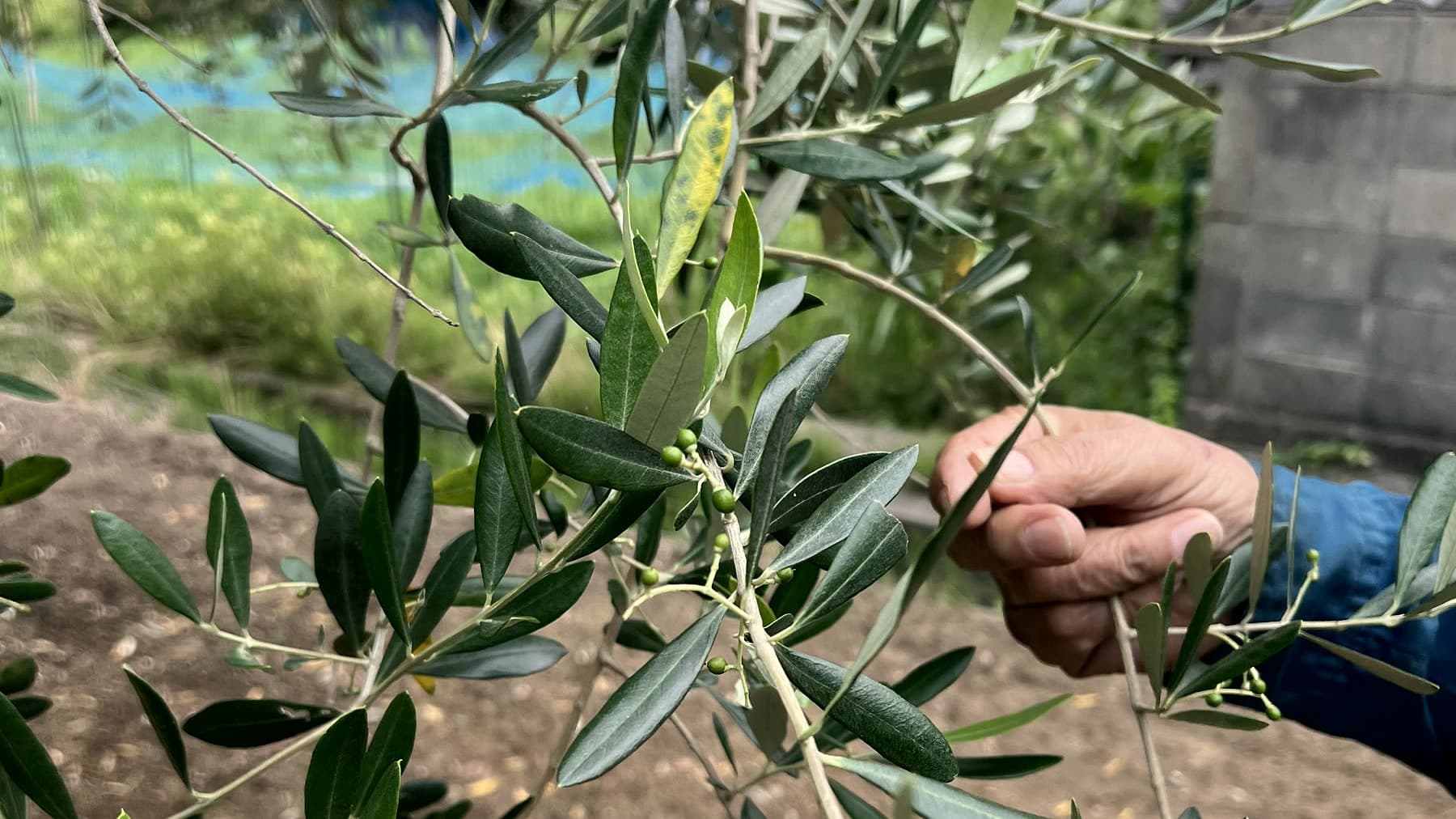
Say that olive oil has a season and people look surprised. It sits on the shelf all year with the same face, so nobody thinks of it as seasonal. But what is inside is not so different from new tea or new rice.
Olive oil is juice
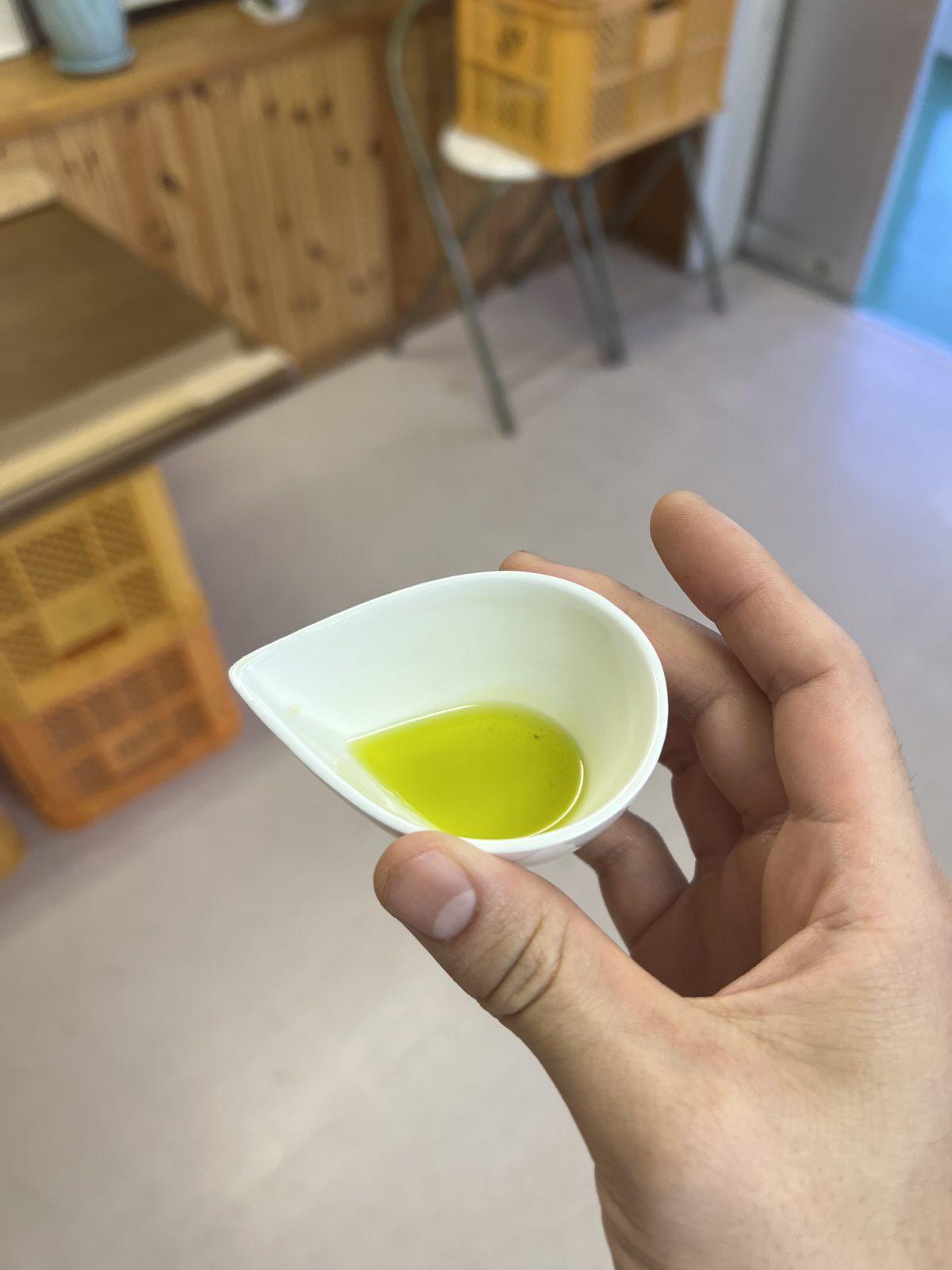
Extra virgin olive oil (EVOO) is nothing more than pressed olives. No heat, no solvents, just mechanical pressing. That is the definition. Before it is an oil, it is closer to a fruit juice.
So it starts changing the moment it is pressed. It does not improve with age the way wine can. It is at its best right after pressing, every time.
Pressing date, not best-before date
Most people look at the best-before date. But that date says the oil is safe to eat until then. It does not promise it will taste good until then.
What you want is the harvest year and the pressing date. When were the olives picked, and when were they pressed. With those two, you can tell roughly where the bottle in your hand is in its life.
Whether the pressing date is printed tells you how the producer thinks about freshness. The ones who can print it, do.
Distance costs time or money
Consider oil that travels from abroad. Olive oil is heavy and shipped in bulk, so most of it comes by sea. One to two months on the water, then a warehouse, then the shelf. By the time it is on display, a year or more can have passed.
Air freight takes days. But the cost jumps, and a 500 ml bottle ends up at 5,000 to 7,000 yen.
- Ship it cheaply, and it takes time
- Ship it fast, and the price goes up
Anything that travels far pays one of those two. To be fair, some companies ship by sea in temperature-controlled containers and turn stock over fast enough to keep quality high. Distance does not automatically mean a stale bottle. But the trade-off itself never goes away.
Japanese oil skips the distance
Oil grown and pressed in Japan has a short way to travel. It can reach the table within days of pressing. That is all it is, but for something this close to fresh produce, it is not a small difference.
To be honest, Japanese oil has weak points too. Volumes are tiny, everything is hand-picked, labor is expensive, and the price is high. If you choose on price, it loses. For one thing, eating oil fresh, it holds every advantage.
Once a year
Olives are harvested from autumn into winter. Fresh oil exists only in that window. The next fresh oil is a year away.
Rather than stocking a year's supply, eat this year's oil in the few months it tastes best. Same thinking as new tea.
What to look for next time
- Is the harvest year printed? (which year's olives)
- Is the pressing date printed? (when it was pressed)
- Is it in a dark bottle or a tin? (protected from light)
A bottle with all three shows you how the producer works. If none of them is there, the oil is not necessarily bad. You just have no way to check.
Olive1 prints the harvest year and the pressing date, and sizes the bottle to be finished within the year. This year's fresh oil, in the months it tastes best. That is the bottle Olive1 has in mind.