Pre-launch ─ pre-registration open. Bottled at the end of November. Members hear the date, the price and the lab results first.
Reading QualityThis Year's BottleThe JourneyClubJournalReserve日本語Join the club

Tokyo Specialty EVOO

Olive oil has a season.

Extra virgin olive oil is olive juice. It starts changing the moment it is pressed, closer to fresh produce than to a pantry staple. Once opened, air gets in and the aroma slowly goes flat. Two months is the mark. So the bottle holds what you can finish in two months. This year's fresh oil, from Shodoshima, bottled at the end of November.

Harvest year and pressing date on the labelOrigins checked in personA bottle you finish in two months
Old olive trees on Shodoshima, the origin in Episode 1
📍 Episode 1 Shodoshima

Why Olive1

Three promises

01

The harvest year and pressing date go on the label

I treat olive oil as something close to fresh produce. So the dates are printed, nothing sits in storage, and the bottle holds what you can finish within two months of opening. Every other decision follows from that one.

  • Harvest year and pressing date printed
  • Finish it in two months
02

You see who made it

Good oil loses its flavor somewhere in the supply chain, and lands on a shelf with no explanation of its price. Who made it, where, and how. Why it costs what it costs. All of that comes with the bottle.

  • Producer and origin named
  • Nothing hidden about the price
03

Only what has been checked gets said

Lab results are published with the test method. I go to the origin myself and taste before buying. Not everything can be measured every time, so anything unverified is stated as unverified, plainly.

  • Test method published with every number
  • Origins visited in person

Transparency / Reading quality

So you can choose from the label

Beyond how it smells, you get the lab results and the harvest details. Polyphenols are what give the peppery catch in the throat and the bitterness. Their numbers depend on the test method, so the method is printed next to the figure.

Polyphenol
After testing mg/kg
Total polyphenols
Acidity
After testing %
Free acidity (lower is better)
Harvest
2026
Harvest year (this autumn's first lot)
100–250
Typical supermarket EVOO
250+
Where specialty begins
300+
What Olive1 looks for
PolyphenolsTest methodFree acidityHarvest yearOrigin and varietyPressing date

The first lot is pressed this autumn. Testing comes after, so there are no numbers to show yet. Whatever comes back goes here and on the label as is, with the test method.

Read more on reading quality
A certificate of analysis (CoA) for extra virgin olive oil showing acidity and UV values
LAB REPORT
A certificate of analysis (CoA). The real document used to decide what to buy.

The First Bottle / This year's bottle

The first bottle comes from Shodoshima

Price and lab results are fixed after pressing. The volume is set by one rule: what you can finish within two months of opening. Members hear first.
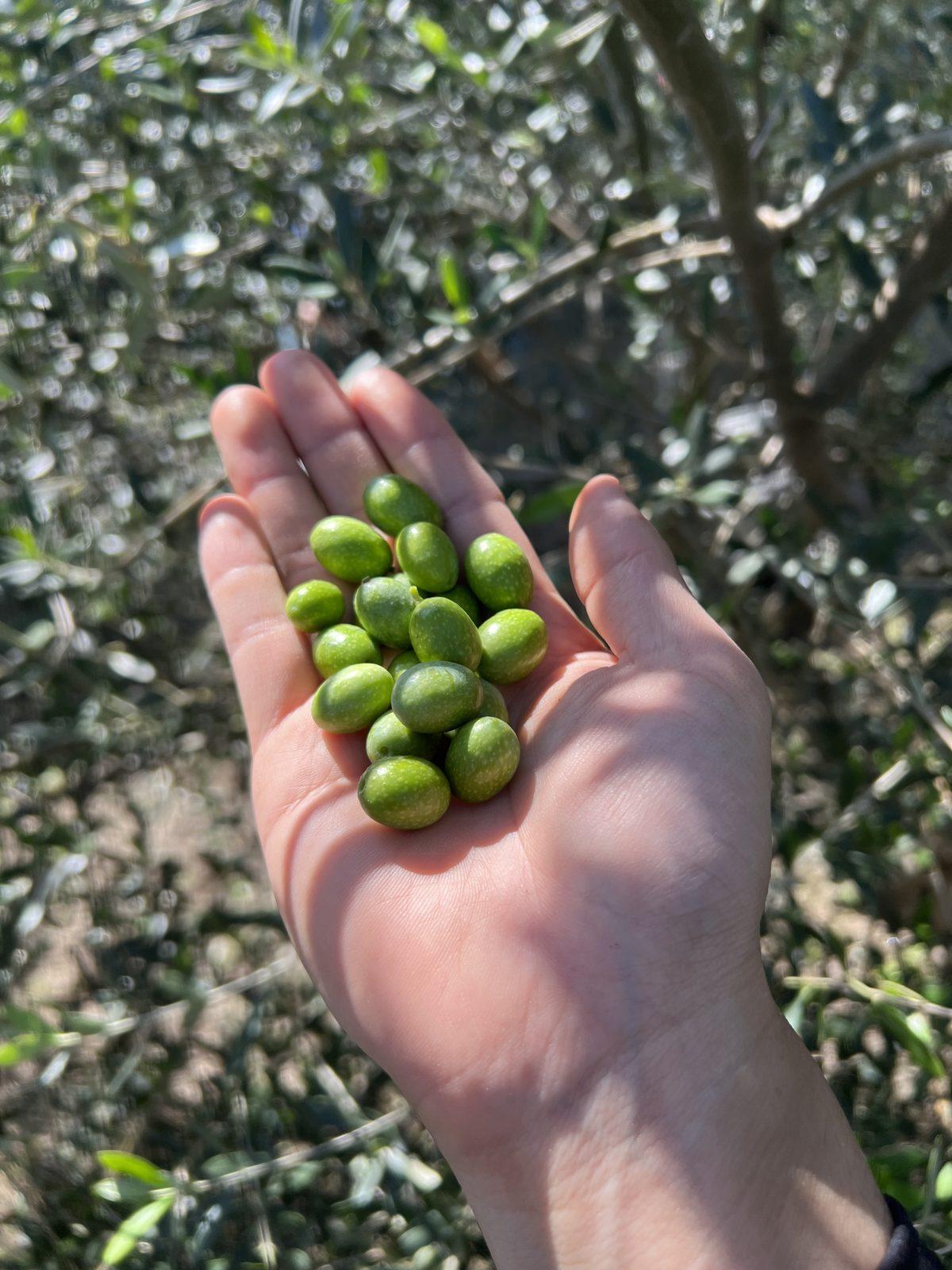
Green olives picked in a Shodoshima grove, October 2026
  • OriginShodoshima, Kagawa, Japan
  • HarvestAutumn 2026
  • PressingRight after picking, at the mill on the island
  • BottlingEnd of November
  • VolumeWhat you finish in two months (fixed after pressing)
  • QuantityA very small first run
  • Lab resultsTested after pressing, published with the method

This year's olives, pressed on the island and sent to you as they are. No aging. With good oil, the worst outcome is a half-finished bottle going stale. So the bottle is sized to be finished. One teaspoon, added just before eating, lasts about two months.

First Sip / How to check

Check it in your throat

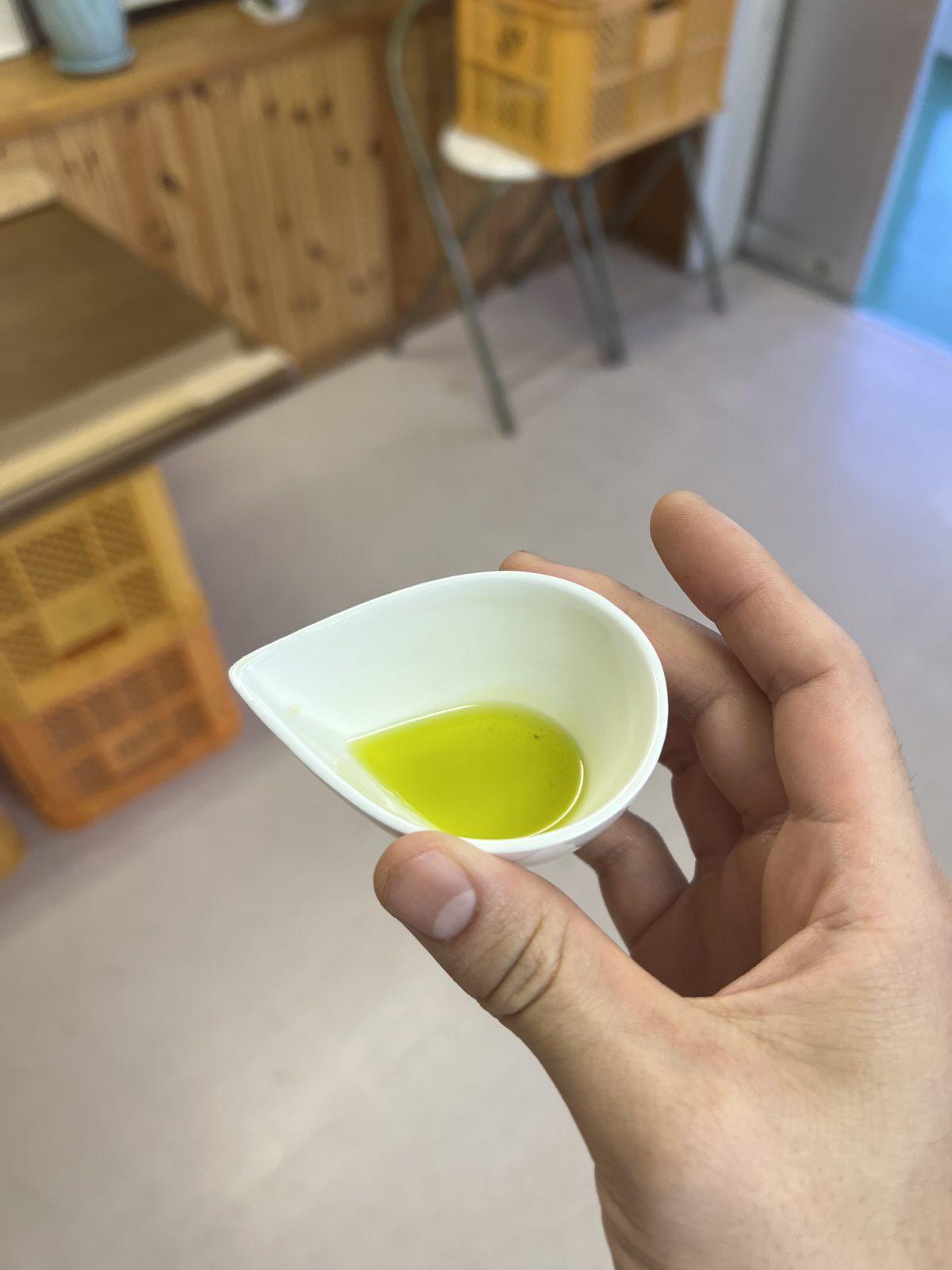
You can tell a lot about an extra virgin olive oil from the peppery catch it leaves in your throat after you swallow. Pour a little into a small dish, smell it, swallow slowly. That alone tells you a great deal about the bottle in your kitchen right now.

The full method is in the journal. No special tools needed.

Read how to do the throat test
Extra virgin olive oil poured into a tasting glass

The Journey / The record

Episode 1: Shodoshima

June 2026, to Shodoshima, Japan's largest olive-growing island. I took the ferry, walked the groves, saw the mill and tasted bottle after bottle at the same table. June is not harvest season, so there is no picking and no fresh oil in this episode. The autumn harvest is Episode 2. After that, the Mediterranean.

Episode 1 digest (video)
01 Ferry to the island
02 Walking the grove
03 Inside the mill

Episode 2: Harvest

October 2026, back on Shodoshima. From picking green olives in the grove, through the mill, to fresh oil. One continuous process, seen end to end.

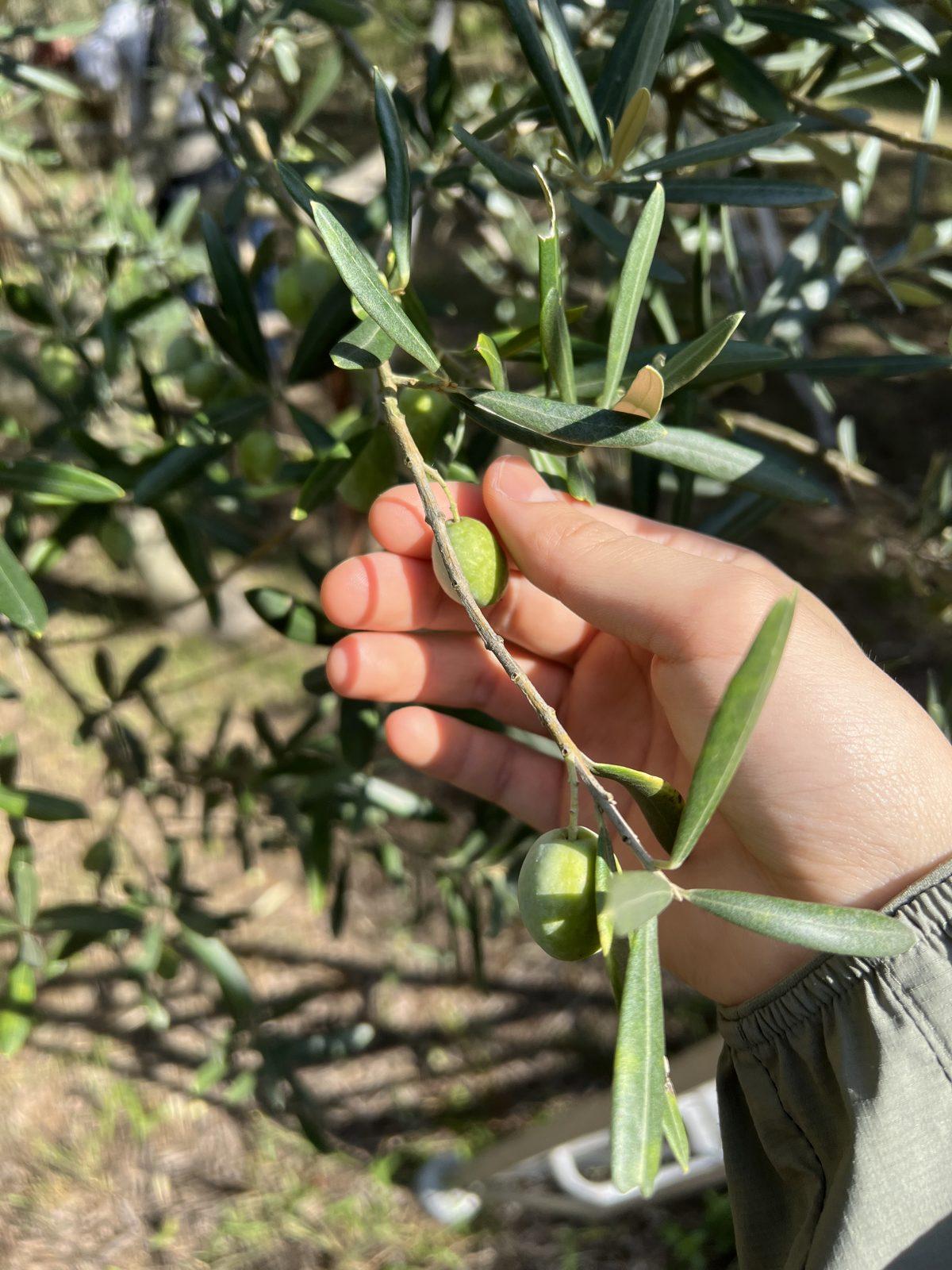
Hand-picking green olives from a branch in a Shodoshima grove
01 Picked from the branch
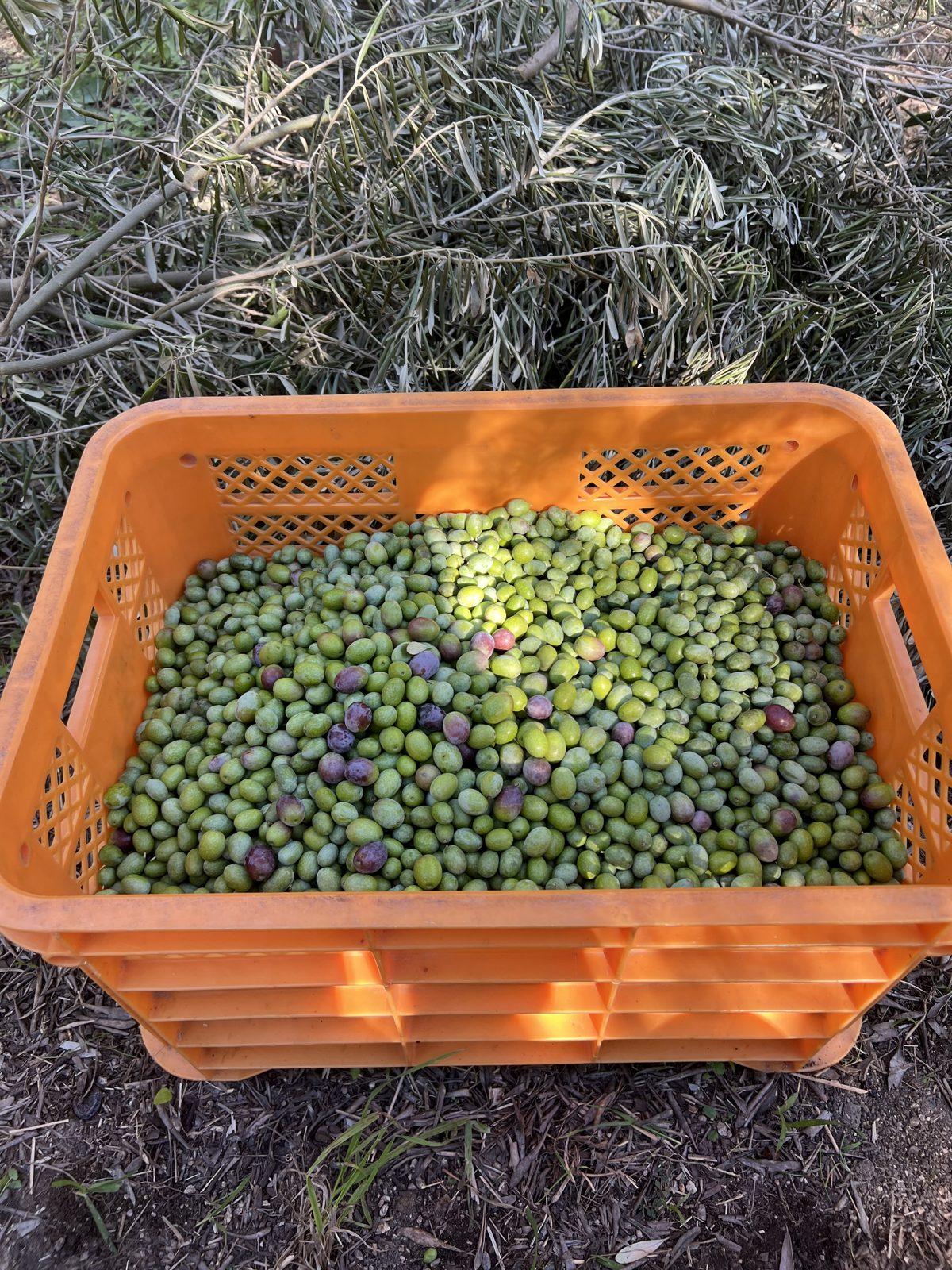
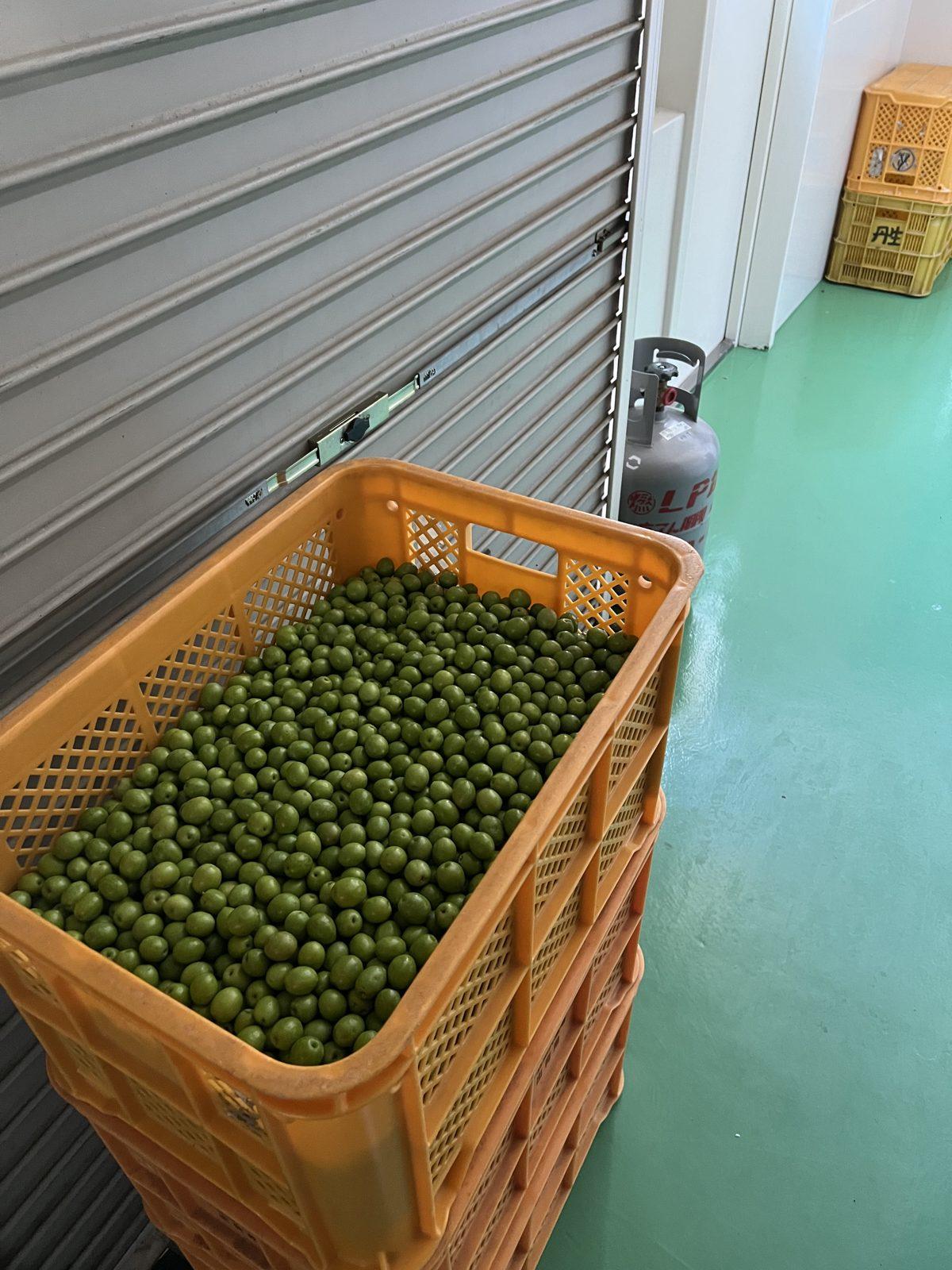
An orange crate filled with freshly picked green olives
02 A crate full
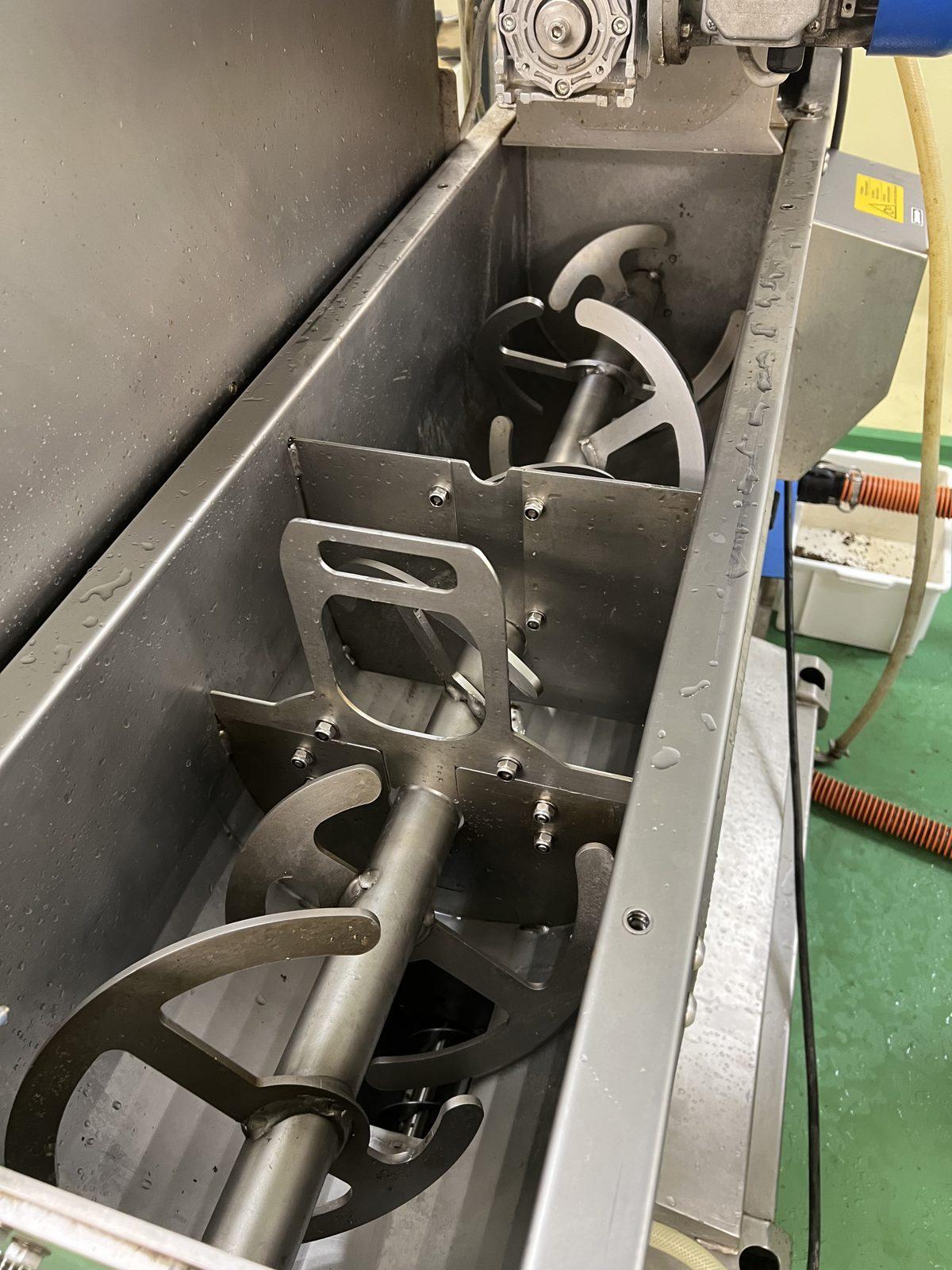
A stainless steel olive mill at the workshop, kneading the paste inside
03 Into the mill
Freshly pressed olive oil poured into a small white dish at the mill
04 Fresh from the press
See the whole record (Instagram)
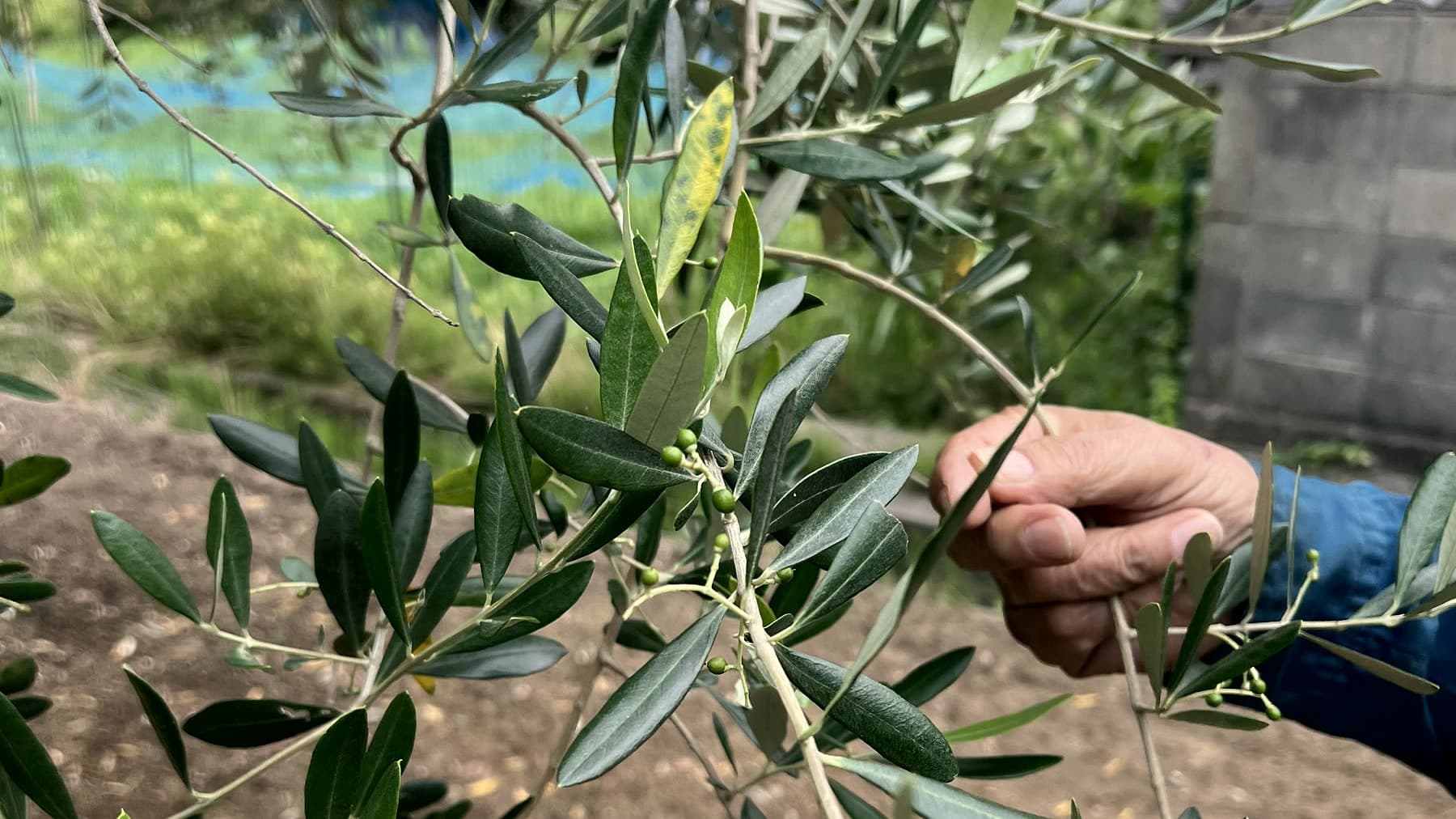
Hands checking young olives on a branch on Shodoshima

About / Our thinking

Why this is shown mid-way

In spring 2026, Olive1 had no oil to sell. All it had was one rule: go to the origin and choose with your own eyes. Instead of hiding that, the choosing has been shown as it happened.

Since October I have been living and working at an olive farm on Shodoshima, picking from morning to evening and pressing. At the end of November that oil goes into bottles. Numbers like acidity get written once they are measured. What is not yet known is stated as not yet known.

Read our thinking

Olive1 Club

A club for people who love to eat,
and like to hear first.

Updates from the search for origins, and early notice when the first lot has a date, a price and lab results. For now, a small information desk for choosing together.

Join the Olive1 Club

What are you here for? (optional)

How your email address is handled is in the privacy policy.

Everyday / How to use it

It belongs on Japanese food too

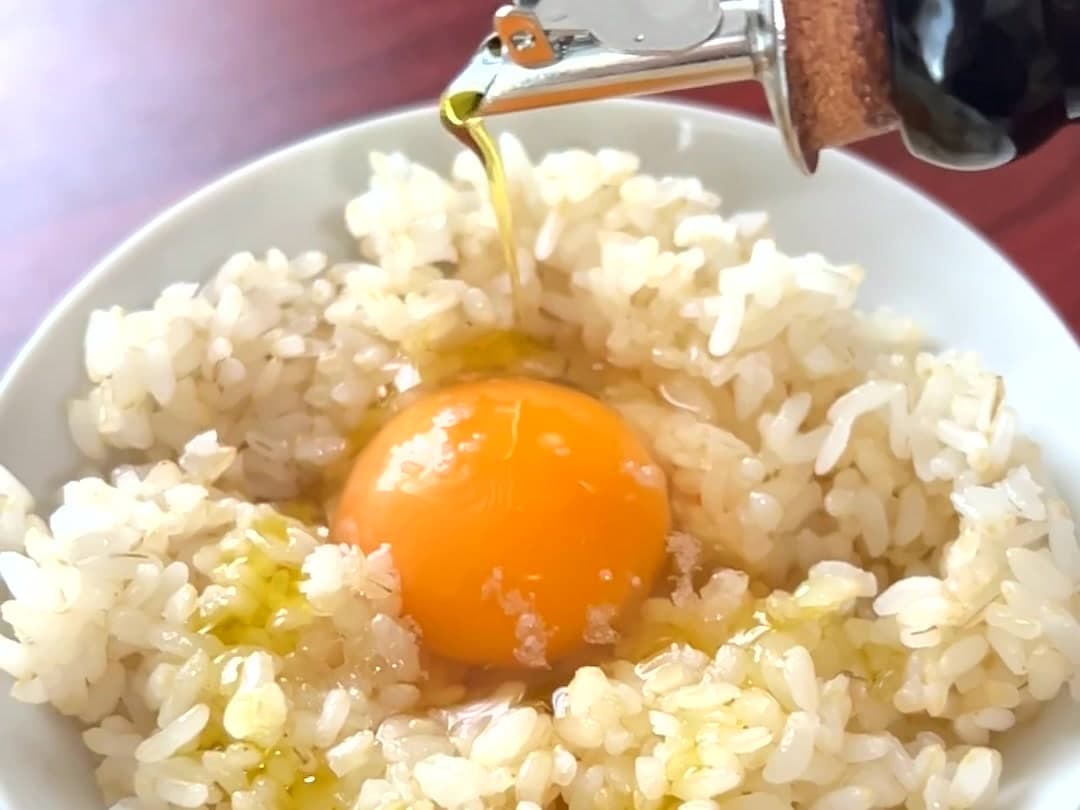
A swirl over rice with a raw egg. Used raw as a finish, the aroma and bitterness sharpen the edges of a dish just slightly. The bitterness and the catch in the throat are linked to phenolic compounds such as oleocanthal.

  • A swirl in miso soup
  • Silken tofu with salt and olive oil
  • Tomatoes with salt and olive oil
  • One teaspoon, just before eating
  • To finish pasta
  • A few drops on grilled fish
See uses and recipes
A swirl of extra virgin olive oil over rice with a raw egg

Voices / From customers

Voices come after the launch.

Not a single bottle has shipped, so there is nothing to show here yet. Once the oil arrives, what people say goes up as they said it. The good and the not so good.

FAQ

Things to know before you buy.

Why can't I buy it yet?

Because it is not bottled yet. The oil picked and pressed on Shodoshima since October goes into bottles at the end of November. Reservations open on November 26. Club members hear first by email.

Have you been to the origin?

Yes. I visited the groves and the mill in June 2026, and since October I have been living at an olive farm on Shodoshima, taking part in the harvest and pressing. What I saw is on this site and on Instagram as it is.

How are the polyphenol numbers measured?

The figure changes with the method: total polyphenols, HPLC, NMR. So the label and the product page carry the test method and the month of testing, not just the number.

When will it arrive?

The first lot is pressed this autumn and bottled at the end of November. As soon as the delivery date is set, members hear first.

How much oil is in a bottle?

Enough to finish within two months of opening. One teaspoon a day, most days, empties it in about two months. The exact volume is announced with the price, after pressing.

Why two months?

Because the oil starts changing the moment it meets air. Two months is the window to finish it before the aroma goes flat.

Can I leave the club?

Yes. Unsubscribe any time. No pushy emails. If the club ever becomes a subscription, skipping and cancelling will stay free.

What will it cost?

The first bottle is fresh Japanese oil in a very small quantity, so it will not be an everyday price. Think of it as a once-a-year thing, like the first tea of spring. The final price is announced with the first lot.

Join the journey

The front-row seats are still open.

Join the club (free)