Journal
Notes from a buyer
How to tell a good oil, how to read a label, why Japanese oil costs what it does, and what freshness means. Not impressions. Things you can check.
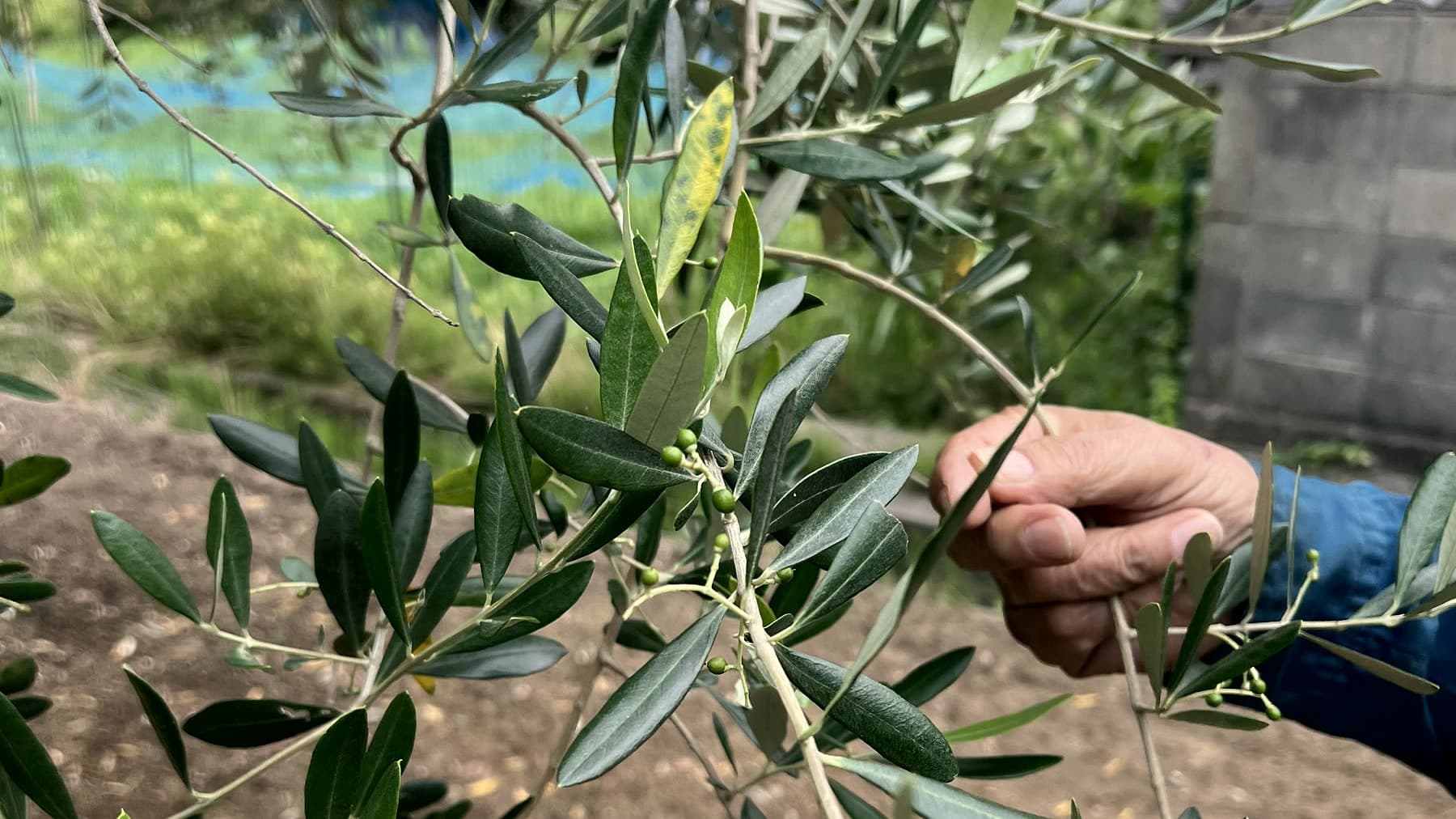
Olive oil has a season
Tea and rice have a new crop each year. So does olive oil. On choosing by pressing date rather than best-before date.
Read →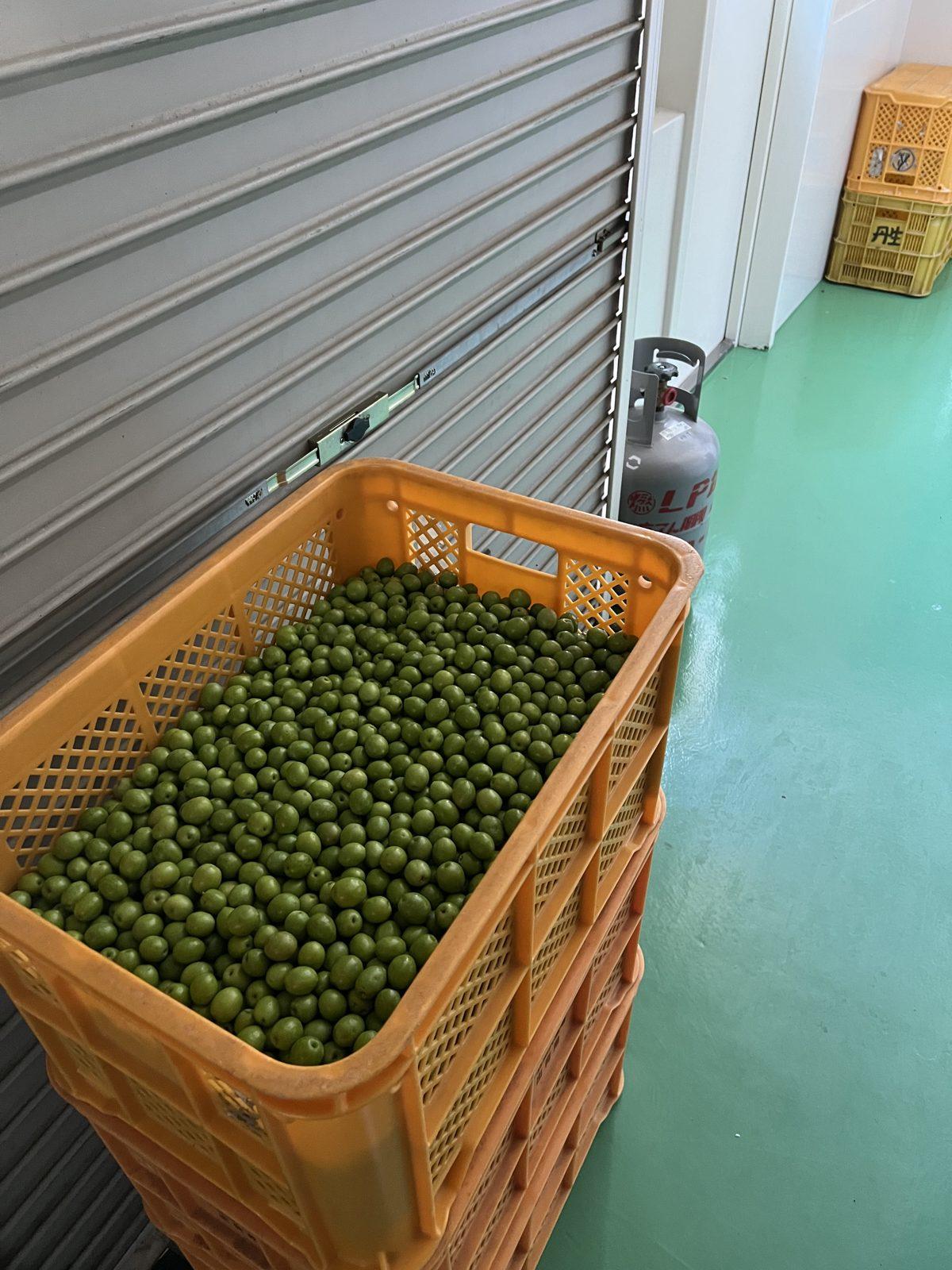
“Extra virgin” is not a quality guarantee
Two bottles with the same words on the label are not the same oil. What the grade means, what it does not, and how it works in Japan.
Read →
How to tell a good EVOO: freshness, polyphenols, acidity
A good olive oil is not decided by variety or origin. Three conditions, and a throat test you can do at home, from a conversation with a producer on Shodoshima.
Read →
Reading the label: polyphenols, acidity, harvest year
The words extra virgin tell you very little. Where to look on a label to find the real thing, starting with what the numbers mean.
Read →
Why Japanese olive oil costs so much
Extra virgin from Shodoshima can cost several times an imported oil. Where the price comes from, and why recent price rises are a different story.
Read →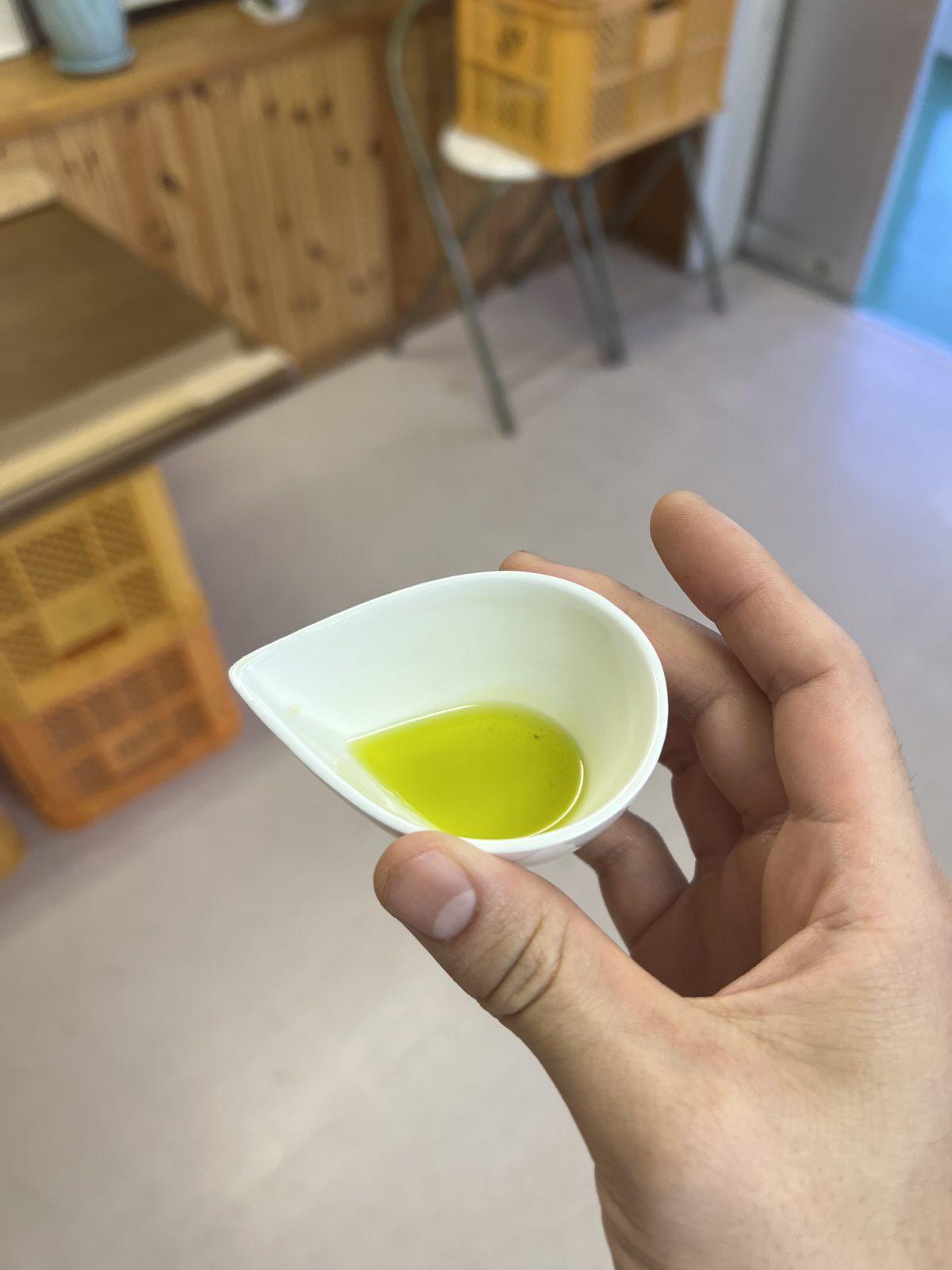
How oil goes stale on the way to you: light, heat, time
Olive oil is fresh produce. Between the press and your kitchen, and after opening, both freshness and polyphenols change.
Read →Olive1 Club
The first to hear about a bottle you can judge by its numbers.
Updates from the search for origins, and early notice when the first lot has a date, a price and lab results.