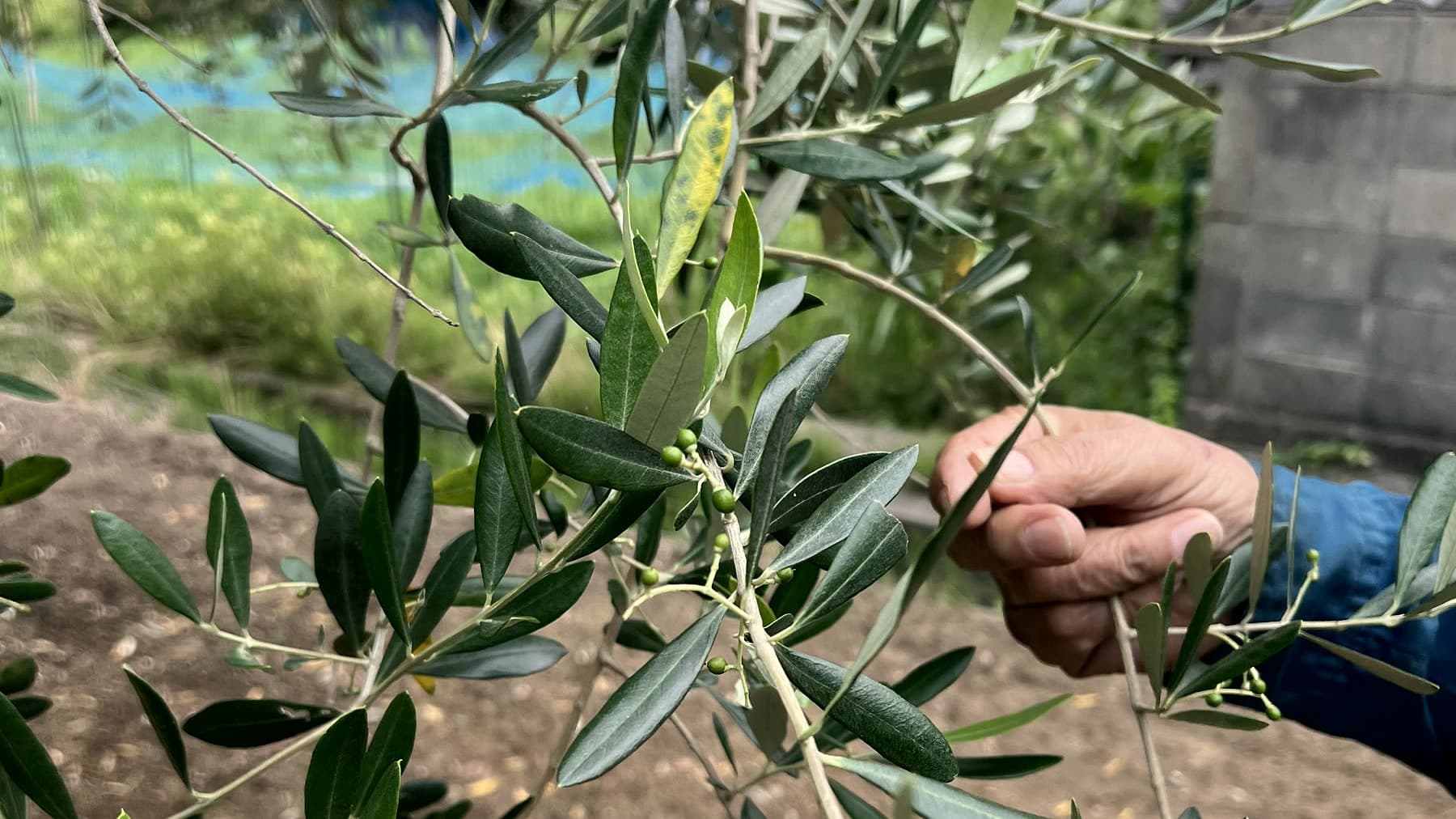
BASICS / Journal
“Extra virgin” is not a quality guarantee
Two bottles with the same words on the label are not the same oil. What the grade means, what it does not, and how it works in Japan.
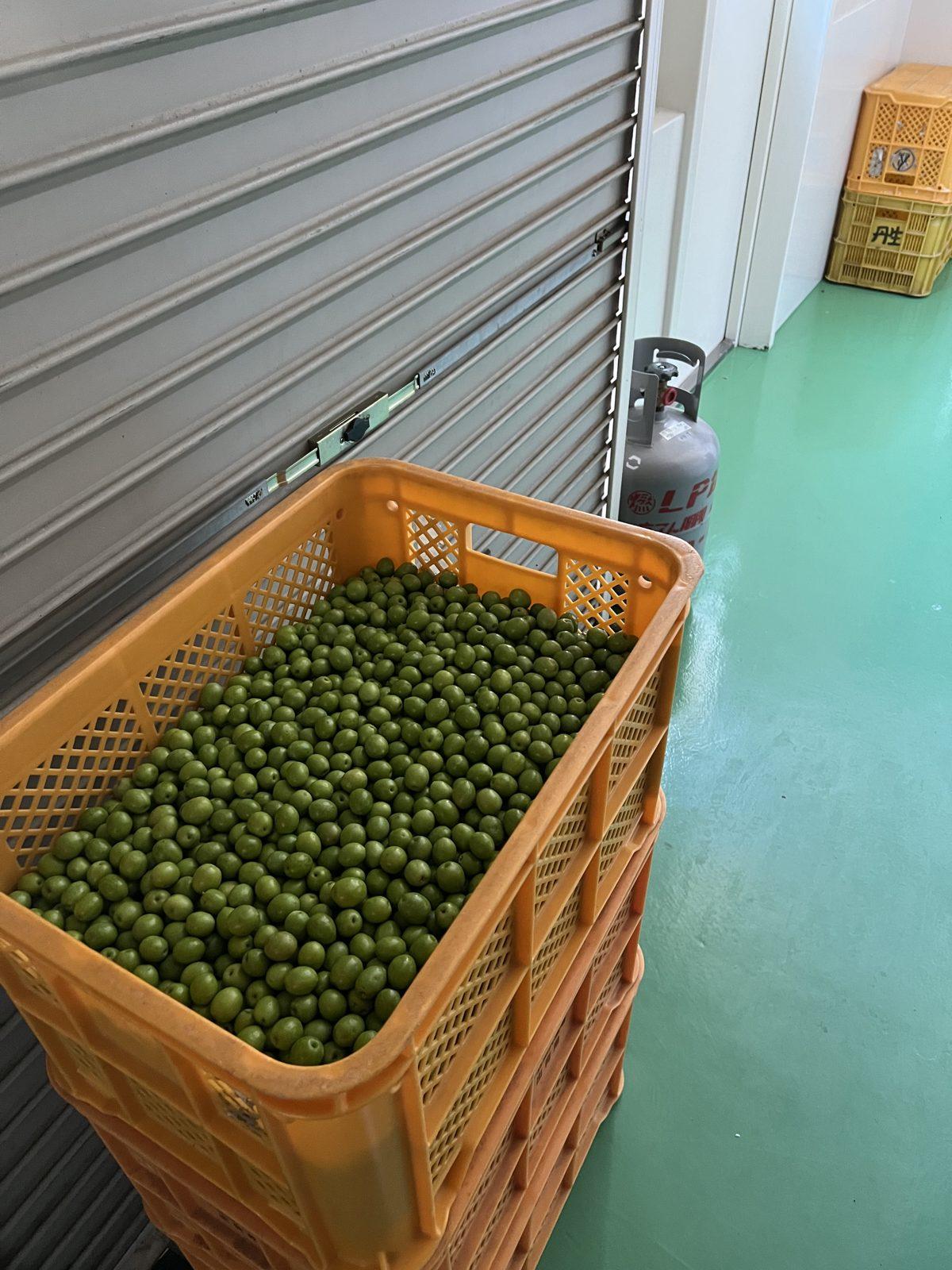
Almost every olive oil on a supermarket shelf says extra virgin. The 500 yen bottle and the 5,000 yen bottle carry the same words. Same label, very different price. Start with what the words actually mean.
Extra virgin is a grade
Extra virgin olive oil (EVOO) is not a brand name or a compliment. It is one of the grades defined by the International Olive Council (IOC). Three things are judged.
- Process: made only from olives, by mechanical means such as pressing or centrifuging. No chemical treatment, no solvent extraction
- Chemistry: free acidity at or below 0.8%, peroxide value at or below 20 meq O2/kg, UV absorbance (K232, K270) within limits
- Sensory: a trained panel finds zero defects and detects fruitiness
Oil that fails any of these drops to virgin, and below that to lampante, which is not fit to eat as it is.
A pass mark, not a ranking
This is the part people miss. Extra virgin means the oil cleared the bar. Against a limit of 0.8% acidity, good producers come in at 0.1 to 0.2%. Both bottles say extra virgin.
The grade sets a ceiling. It does not tell you how good the oil is. The differences are all inside the grade.
And both the chemistry and the tasting describe the oil at the moment it was tested. What happened over the year it took to reach the shelf is not covered by those two words.
How it works in Japan
Japanese law (JAS) has no quality standard for extra virgin olive oil. There is a category called edible olive oil, but for a long time there was no legal definition of grades.
That is changing. In March 2024 a Fair Competition Code on the labeling of extra virgin olive oil was announced, and a trade council was set up. Products that pass chemical and sensory tests aligned with the IOC standard can use the grade on the label, and approved products carry a mark.
But this is an industry code, binding only on members. It does not directly stop a non-member from using the same words.
So, look at the numbers
The words extra virgin alone will not show you the difference inside the bottle. They only tell you the oil probably cleared the minimum.
What helps is not the grade but the individual figures. What is the acidity. How much polyphenol, measured how. When was it harvested, when was it pressed. A bottle that prints all of that has something worth printing.
The grade is the entry ticket. When you want to know more, look at the numbers and the dates.
What this is not saying
This is not a claim that cheap oil is fake. If it meets the standard, it is extra virgin. One of Japan's largest restaurant chains hand-picks in the region of origin, presses right after harvest, ships in temperature-controlled containers and holds acidity under 0.3%. Price alone does not decide what is inside.
The problem is that the label alone cannot tell you. So the seller should put the evidence out where you can see it.
Olive1 publishes acidity, polyphenol content, the test method, the harvest year and the pressing date. Not just the grade, but the numbers inside it. For the person choosing, that is the most useful thing I can do.